
Low Birth Weight

Premature, small for gestational age and low birth weight babies are an important public health concerns, especially in developing countries.This section covers the importance of using different nutrition approaches when managing low birth weight. It also brings extensive information on the nutritional requirements and adequate interventions recommended to ensure the best possible outcomes.  

Group by
Fenton growth chart for boys
Post-Discharge Nutrition in Preterm Infants: Balancing Growth and Long-Term Health
Post-Discharge Nutrition in Preterm Infants: Balancing Growth and Long-Term Health

Preterm infants need optimized nutritional support post-discharge to promote healthy catch-up growth and support brain development. Their growth status at birth helps guide monitoring and feeding decisions, with weight, length, and head circumference tracked using clinical tools like the Fenton and WHO growth charts. Many infants, especially those with growth faltering, may benefit from fortified human milk, nutrient-dense feeds or preterm/post-discharge formulas to meet higher calorie and protein needs. Studies show that enriched and two-stage formulas with HMOs can safely support

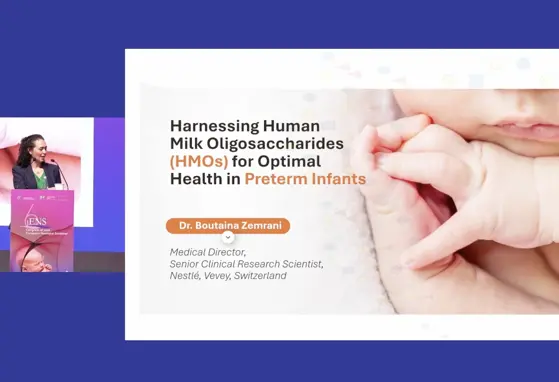
Harnessing HMOs for Optimal Health in Preterm Infants

Harnessing HMOs for Optimal Health in Preterm Infants

Boutaina Zemrani
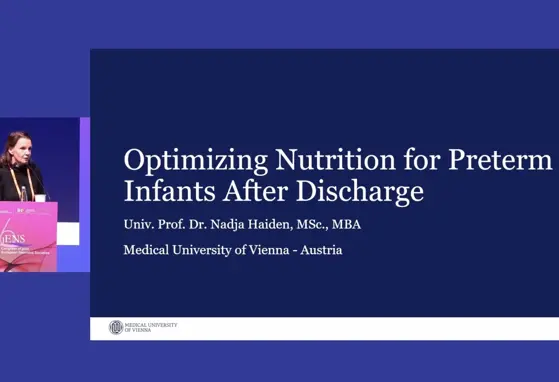
Optimizing Nutrition for Preterm Infants After Discharge

Optimizing Nutrition for Preterm Infants After Discharge

Nadja Haiden
Individualized Nutrition of Preterm: What are the Challenges?

Individualized Nutrition of Preterm: What are the Challenges?

Thibault Senterre
09d637966b74886e31e4c3f37a192255
Prevention of SGA - Preterm by Maternal Treatment with Antibiotics during Pregnancy

Prevention of SGA - Preterm by Maternal Treatment with Antibiotics during Pregnancy

Per Ashorn
Default video
Identifying the High Risk Pregnancy: When to Refer

Identifying the High Risk Pregnancy: When to Refer

Ma. Teresa Cruz Padilla
Not too much, not too little: What do we know about appropriate infant feeding?


Not too much, not too little: What do we know about appropriate infant feeding?

Atul Singhal
High Risk Deliveries and Birth Attendance

High Risk Deliveries and Birth Attendance

Jamilah Binti Hassan
7e66e27fb1e725145000444d45470f39.tmb-xs
Partially Hydrolyzed Formulas in the Management of GI Disorders in Infants

Partially Hydrolyzed Formulas in the Management of GI Disorders in Infants

Elisabeth de Greef
Biomarkers Indicating Risk and Long-term Outcome in Premature Infants


Biomarkers Indicating Risk and Long-term Outcome in Premature Infants

Neena Modi
17f6dcdb028ff3771f9b3268aaf39ce5.tmb-xs
Nutritional Support of the Preterm Neonate: Human Milk Fortification

Nutritional Support of the Preterm Neonate: Human Milk Fortification

Jean-Charles Picaud